 TREE Studio
Begin here
Everything in TREE Studio rests on a few shared beliefs and one cycle. They are free, and they are the place to start.
What is the child trying to make happen?
Children are competent, capable and co-constructors of knowledge (the image of the child). Educators learn alongside them. Every tool here begins with that belief.
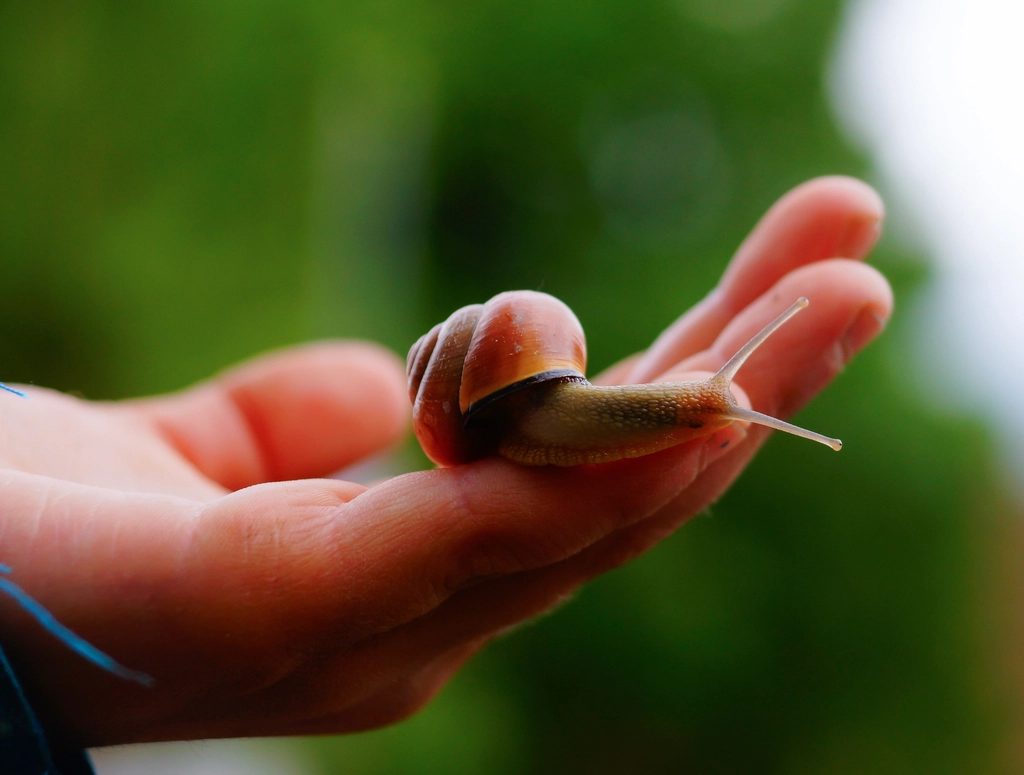
How we offer ideas
Every invitation begins with us. Children read our faces, our bodies and our voices before they touch a material. How we are present decides whether an invitation opens up or closes.
Arrive and stay
Choose a spot and stay in it. Coming and going pulls children's attention with us. Sit at their level, within arm's reach. If you need to raise your voice to be heard, you are too far away.
Calm travels
Children borrow our regulation (co-regulation). Slow your breath, your hands and your words. A child who is struggling needs a steady adult first. We co-regulate first and offer something new second.
Describe what you see
Narrate the work. "You pressed hard and the line got darker." Describing tells children we are paying attention and invites them to say more. Words like "beautiful" or "good job" tend to end the conversation.
Know your own feelings
Notice how you feel about mud, heights, spills, noise, bugs and broken towers. Children read it on our faces. Name the feeling to yourself and choose your response. When a material is hard for you, ask a colleague to share the space.
Hands off the product
Model how to care for a brush, wedge clay or thread a needle, then step back. We do not draw, fix or finish a child's work. The ideas belong to the children.
Plan so you can say yes
Set up the space so mess, noise, risk and collapse are welcome. Towers fall, paint mixes to brown and clay cracks. These are part of the work, and our relaxed body tells children so.
Wonder alongside
Use "I notice," "I wonder" and "It reminds me of." Leave room for silence. Discovering alongside children often matters more than knowing the answer.
Children close the cycle
Setting up and closing belong to the children. They carry materials out, wash their own brushes, wipe the table, sweep, and return every tool to its home for the next friend. We set up so this is easy, with a wash bucket or low sink, a damp sponge at each table, a drying rack and a labeled home for each tool. Closing happens with the children, as part of the work.
Expected and still guided
Much of what children do fits their age and stage (developmentally appropriate). Twos bite and grab, threes say no, fours test who is in and who is out. We understand the reason, and we still guide, so everyone stays safe and included (socially acceptable). Understanding and guiding go together.
The inquiry cycle
Observation, planning, documentation and reflection are one connected process. Each step feeds the next, and the cycle returns to noticing.
 1
Noticing (informal observation)
Watch and listen through the day. Jot down what children do and say.
 2
Checking ourselves (assumptions, goals and biases)
Pause and notice what we expect or hope to see. A quiet check for each educator.
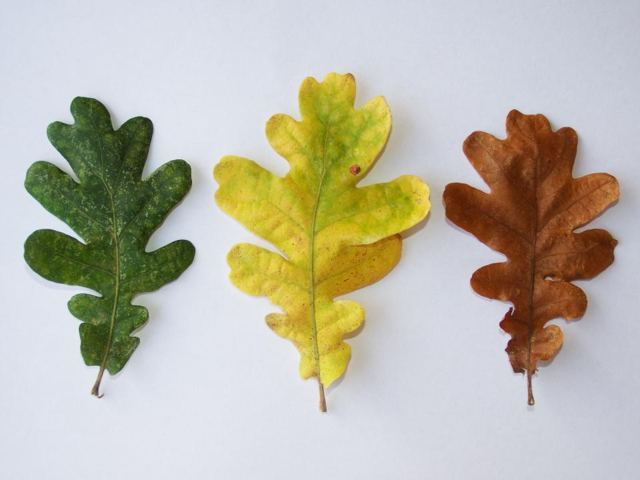 3
Offering an invitation (provocation)
Set out materials, a question or an experience that invites children to go further.
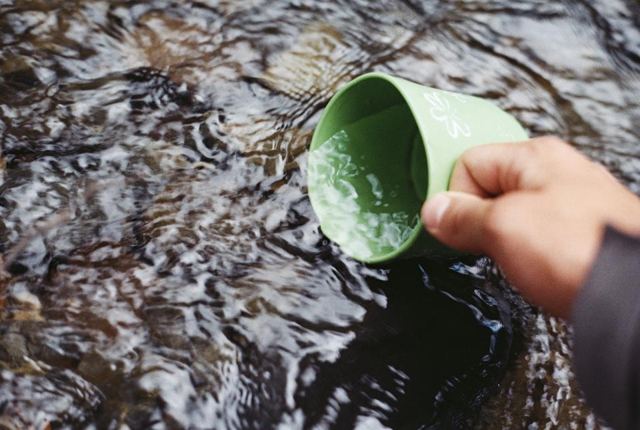 4
Looking closely (formal observation)
Watch with intention. Gather photos, children's words and notes.
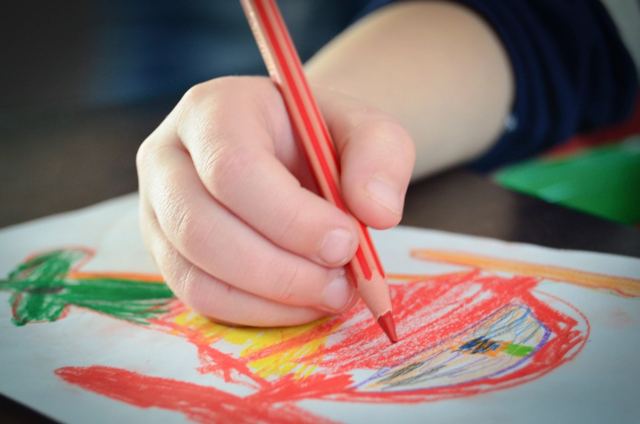 5
Making it visible (documentation)
Bring the traces together so children, families and educators can see the thinking.
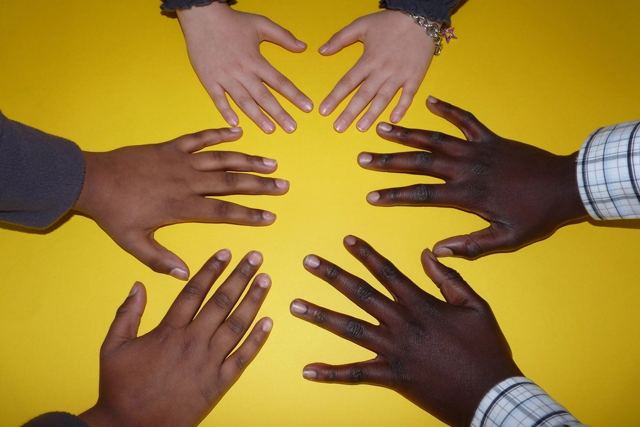 6
Thinking it over (reflection)
Together, ask what children were exploring and what might come next. That leads back to noticing.
The four words in TREE
- TracesWhat we gather. Photos, words, marks and the things children make.
- ReflectionWhat we think about together, with colleagues, children and families.
- EvidenceThe learning we can see, held up with what children did and said.
- ExperienceThe child's life inside it, where every plan begins.
When a behavior raises a question
Behavior is how a child meets a need. The team inquiry, with its four questions, the needs a child may be meeting and what a child might need from us, is part of the TREE Studio library.